
A business owner once told me something that captures exactly why on-page SEO matters. She said, “I write good stuff. I just don’t understand why nobody sees it.” She’d spent hours on a blog post. It was genuinely useful. It read better than half of what already ranked for that topic. And it sat quietly on page four of Google. Nobody found it.
Nothing was wrong with her writing. What she’d skipped was everything around it — the signals Google reads before it decides who to show. That’s on-page SEO. It isn’t about tricks. It isn’t about stuffing keywords until a sentence sounds robotic. It’s about making sure your page’s structure tells Google, clearly, what it’s for.
What On-Page SEO Actually Covers
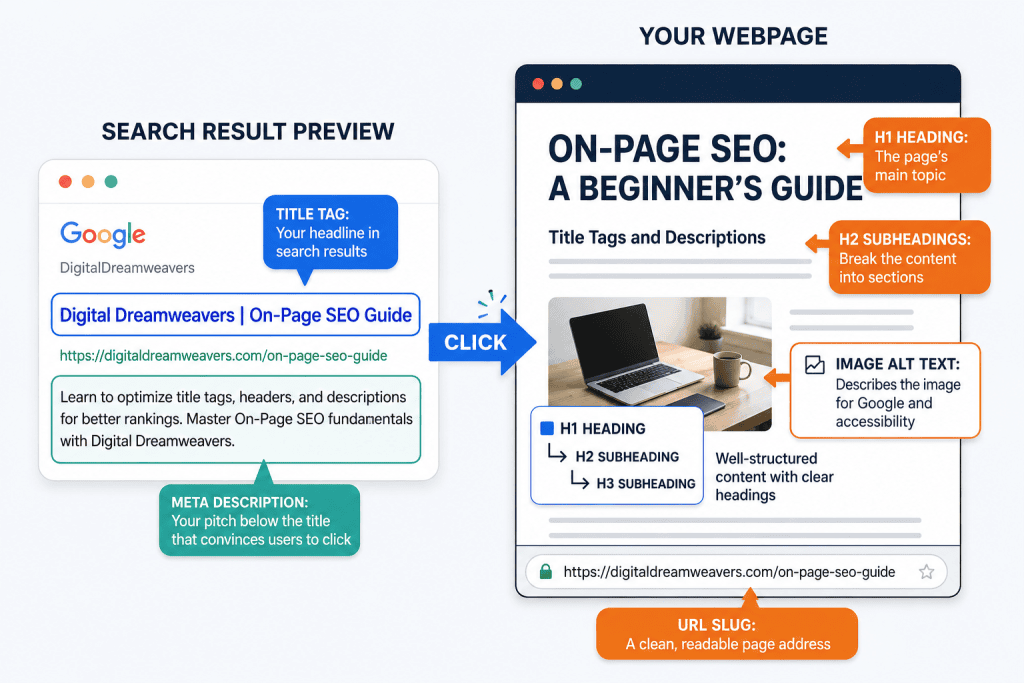
Off-page SEO is about your reputation elsewhere. Think backlinks, mentions, reviews. On-page SEO is everything that lives on the page itself — your title, your headers, your content, your images, even your URL. You control every part of it. That’s exactly why it’s the most frustrating one to get wrong. There’s no algorithm mystery here. It’s mostly about clarity. Most small business sites skip it, not because it’s hard, but because nobody ever explained why it matters.
Title Tags: On-Page SEO’s Most Skipped Line
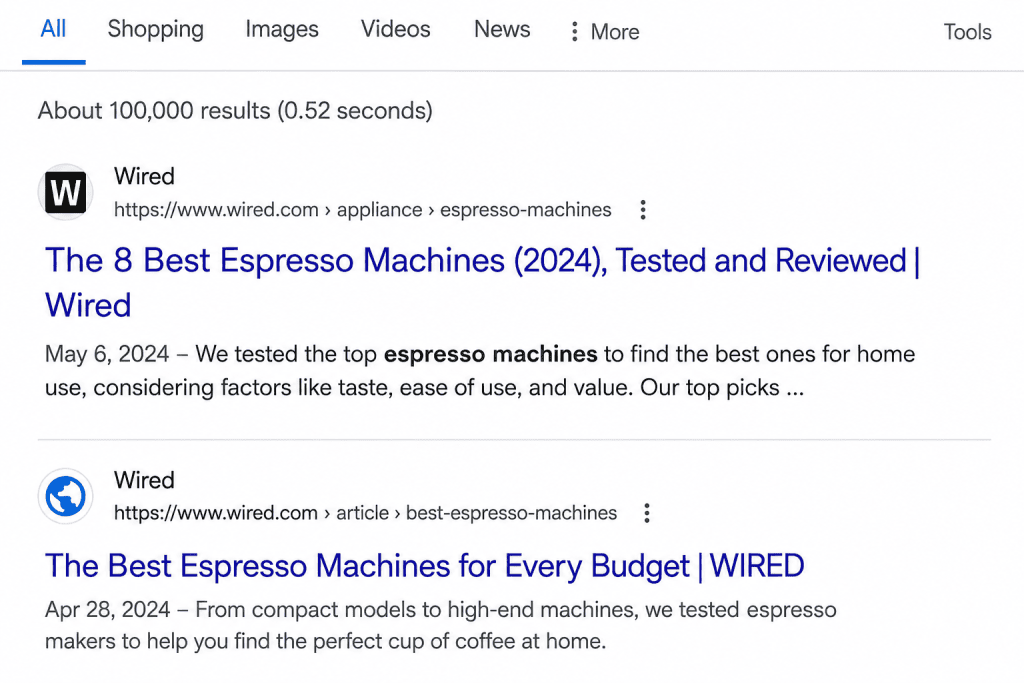
Your title tag is the blue clickable headline in search results. It does two jobs at once. It tells Google what the page is about, and it convinces a real person to click instead of the nine other results next to it. A vague title like “Home” or “Blog Post” wastes both chances.
A good title tag names the topic plainly. It also gives someone a reason to click. Don’t write “Coffee Shop.” Write “Best Coffee Shop for Remote Work in Andheri — Free Wifi & Quiet Corners.” It’s longer, but it’s specific. Specific beats clever almost every time in search results.
Meta Descriptions: The On-Page SEO Piece You’re Not Writing for Google
This one confuses people. Google doesn’t actually use your meta description to rank you. It uses the description to decide what snippet to show under your title. That snippet is what convinces someone to click your result over a competitor’s. Think of it as free ad copy. Say what the page delivers, in plain language, and give the reader a reason to pick you.
Headers Aren’t Just Formatting — They’re a Map
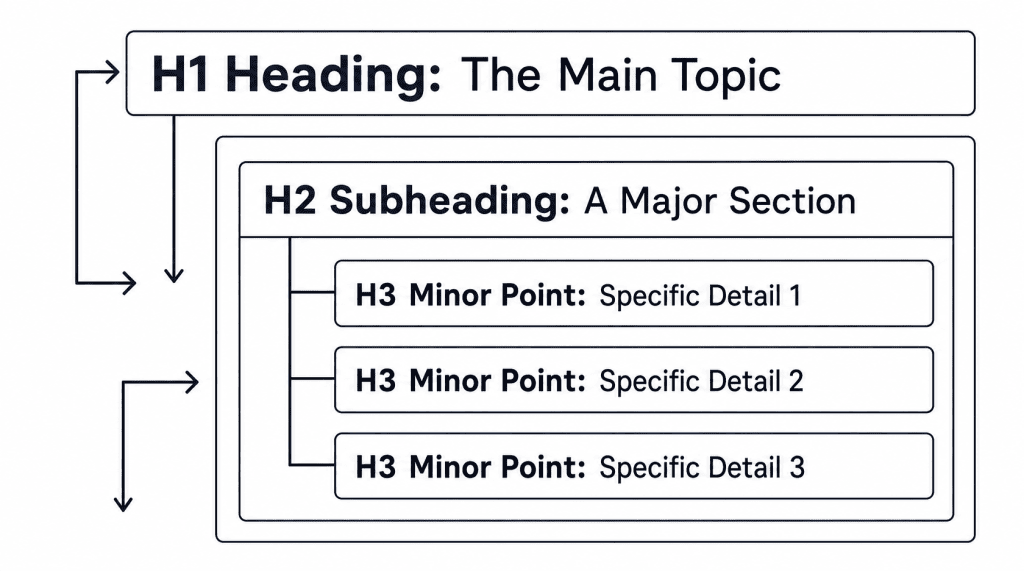
H1, H2, H3 tags aren’t there to make a page look tidy. They tell Google, and a skimming reader, how the page is organized. Every page should have exactly one H1 — usually the title. Underneath it, build a logical trail of H2s that break the content into digestible sections.
Try this habit: read only your headers, top to bottom, and skip the paragraphs underneath. If that alone gives someone a clear sense of what the page covers, your structure is working. If it reads like a random list of unrelated phrases, your content probably wandered while you wrote it.
Keywords Belong in the Page, Not Stuffed Into It
Search engines got much better at understanding context. The old trick of repeating a keyword forty times doesn’t work anymore. It never fooled a real reader either. What actually helps is simpler: use your main keyword, and its natural variations, in the places that matter. Put it in the title, the first paragraph, a header or two, and scatter it naturally through the body wherever it fits real conversation.
Here’s a simple test: read the sentence out loud. If it sounds like something you’d say to a customer standing in front of you, keep it. If it sounds like a search engine wrote it instead of a person, rewrite it.
Internal Links: On-Page SEO’s Quiet Workhorse
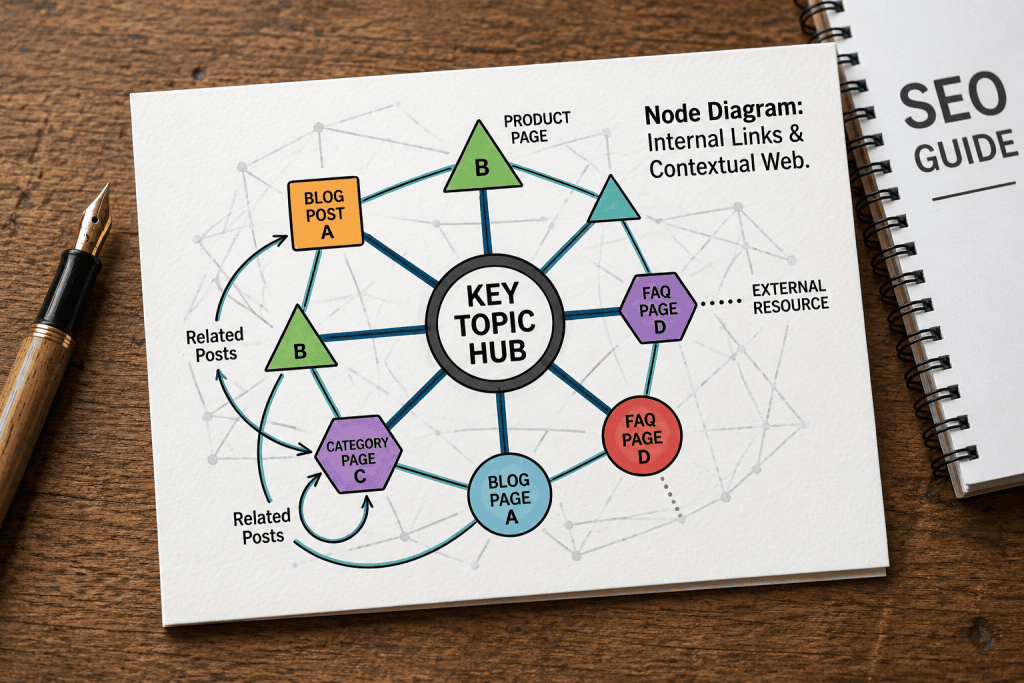
Internal links connect one page on your site to another. Most small businesses barely use them. They help Google understand which pages relate to each other, and which ones matter most. They also keep visitors exploring instead of leaving after one page.
Say you’re writing a blog post about choosing the right paint finish, and you happen to sell paint. That’s a natural place to link to your product page. Got an older post that’s still relevant? Link back to it. Over time, this builds a web of context across your whole site — something a single, isolated page could never create alone.
Image Alt Text Is Doing More Than You Think
Alt text started as an accessibility feature. It describes an image for people using screen readers. It’s also one of the easiest wins in on-page SEO, and most people skip it. Search engines can’t “see” a photo the way you do. They rely on the alt text and the surrounding words to understand what’s in it.
“Image1234.jpg” tells Google nothing. “Handmade ceramic mug with blue glaze finish” tells it exactly what’s in the photo. It also gives you a small, natural spot to use a relevant keyword, without forcing it anywhere in your visible copy.
URLs: The On-Page SEO Detail Almost Everyone Ignores
A URL like yoursite.com/product/?id=8842&ref=xj29 tells a visitor, and Google, absolutely nothing. A URL like yoursite.com/blue-ceramic-coffee-mug tells both exactly what the page is about before anyone even clicks. Clean, readable URLs seem small on their own. But they add up across a whole site. And they’re one of the easiest fixes to make going forward, even if you can’t touch every old page today.
Page Speed and Mobile-Friendliness Are Part of On-Page SEO Too
A beautifully written page still loses if it takes eight seconds to load on someone’s phone. Page speed and mobile-friendliness count as on-page SEO factors, because they live on your page, just like your title tag or your headers do. Most visitors leave a slow page before they ever read a single word of it. Google notices when that happens again and again, and it quietly ranks that page lower for everyone else.
You don’t need a developer to fix the basics here. Compress your images before you upload them. Skip auto-playing videos on pages that don’t need them. Test your site on an actual phone, not just your laptop screen, since that’s how most people will actually find you. A fast, clean page gives your on-page SEO work somewhere solid to land, instead of undoing it before anyone reads a word.
Depth Beats Length, But Length Still Signals Effort
There’s a lingering myth that longer content automatically ranks better. It doesn’t. Thin, padded content that hits a word count but says nothing useful won’t outrank a shorter page that actually answers the question. That said, genuinely thorough content often runs longer. It simply covers more ground. It answers the follow-up questions a reader would naturally have, instead of stopping at the surface.
The real test isn’t “is this long enough.” It’s this: if someone read only this page, would they have everything they came for? Or would they need to search again?
On-Page SEO Mistakes That Undo Good Content
A few habits quietly sabotage good content. Duplicate title tags across multiple pages confuse Google about which page should rank for a given search. Missing meta descriptions mean Google writes one for you — usually by grabbing a random sentence that doesn’t represent the page well. And walls of text with no headers push readers to bounce before they find the useful part, no matter how good that part is.
None of these are hard to fix. People just overlook them when they focus on the writing itself, not the structure holding it up.
The Real Payoff of On-Page SEO
On-page SEO won’t make a mediocre page outrank a genuinely better one. Nothing does that reliably. Anyone who promises it is selling something. What it does is simpler: it gives your good content a fair shot at showing up, instead of quietly losing to a worse page that structured itself better.
That business owner with the buried blog post didn’t need to write differently. She needed her page to finally tell Google what she’d already told her readers. Once the title, headers, and structure caught up with the writing, the page started showing up where it always deserved to be.
Want a second pair of eyes on how your pages are structured? Check out our SEO services.